The Rich History of the Island of Hawai’i
The Island of Hawai’i, also known as the Big Island, boasts a history as rich and diverse as its landscapes. This largest and youngest island in the Hawaiian archipelago has a past deeply rooted in Polynesian culture, volcanic activity, and significant historical events.
Polynesian Settlement
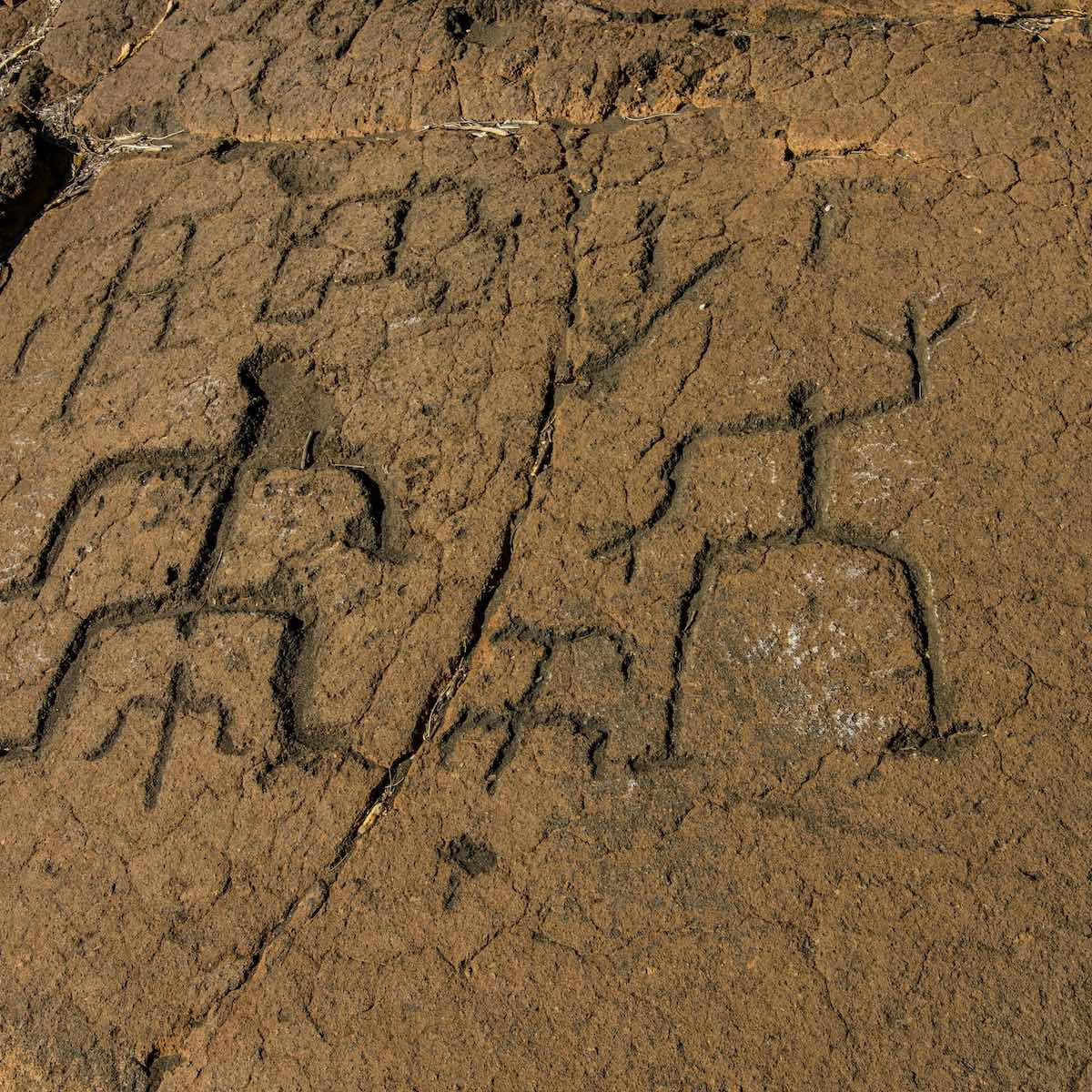
The history of the Big Island begins with the arrival of Polynesian navigators who voyaged across the vast Pacific Ocean in canoes, guided by the stars and ocean currents. These early settlers brought with them their customs, agricultural practices, and a profound respect for the land and sea. They established thriving communities, developed sophisticated agricultural systems, and constructed heiau (temples) to honor their gods and ancestors.
The Birthplace of Kings
The Island of Hawai’i holds a special place in the Hawaiian Kingdom’s history. It is the birthplace of Kamehameha I, who was born in the Kohala district around 1758. Kamehameha the Great is renowned for uniting the Hawaiian Islands under one rule in 1810, establishing the Kingdom of Hawai’i. His legacy is celebrated across the island, with numerous historical sites dedicated to his memory, including the Pu’ukoholā Heiau National Historic Site.
Volcanic Activity and Natural Wonders
The Big Island is known for its volcanic activity, which has shaped its geography and culture. Mauna Loa and Kilauea, two of the most active volcanoes in the world, dominate the island’s landscape. Kilauea’s ongoing eruptions have created new land and continue to be a powerful symbol of the island’s dynamic nature. The Hawaiian Volcano Observatory, established in 1912, has played a crucial role in monitoring volcanic activity and ensuring the safety of residents and visitors.
The Arrival of Westerners
The arrival of Westerners in the late 18th century brought significant changes to the island. Captain James Cook, the British explorer, made his first contact with the Hawaiian Islands in 1778. His visit marked the beginning of increased interaction between Hawaiians and Europeans, leading to profound cultural and societal transformations. The introduction of new crops, livestock, and technologies had a lasting impact on the island’s economy and way of life.
Modern Day
Today, the Island of Hawai’i is a vibrant blend of ancient traditions and modern innovations. It is home to a diverse population that honors its rich cultural heritage while embracing progress and development. The island’s unique history is preserved and celebrated through numerous cultural festivals, museums, and historic landmarks, ensuring that the story of the Big Island continues to be told for generations to come.
The history of the Island of Hawai’i is a testament to the resilience and ingenuity of its people, the power of its natural forces, and the enduring legacy of its cultural heritage. It remains a place where the past and present coexist harmoniously, offering a glimpse into the soul of Hawai’i.
 admin
admin